
Call us now :08071932083
 Send Inquiry
 Send Inquiry
Mastic Pad
Price 325 INR/ Piece
Mastic Pad Specification
- Elasticity
- High
- Elongation
- Good (Depending on rubber content)
- Material
- Rubber,wood
- Fiber Length
- Standard (Varies as per requirement)
- Fineness (%)
- High (As specified by manufacturer)
- Pattern
- Sheet/Pad
- Use
- Expansion Joint Filler, Waterproofing, Construction applications
- Feature
- Eco-Friendly
- Installation
- Easy to install, Cut to size
- Water Absorption
- Low
- Color
- Black or Custom
- Shape
- Rectangular / Custom shapes available
- Surface Finish
- Smooth / Matte
- Application Area
- Bridges, Roads, Construction Joints
- Temperature Resistance
- -30°C to 80°C
- Density
- Approx. 110-120 kg/m³
- Thickness
- As per requirement (commonly 10mm-25mm)
Mastic Pad Trade Information
- Payment Terms
- Cash Advance (CA)
- Delivery Time
- 7 Days
- Main Domestic Market
- All India
Mastic Pad About
Mastic Pad is mainly used for expansion joints in roads, runways, and buildings. It has a concrete casting in a slab form that provides an apt provision of contraction and expansion as per the variations in the temperature. It is processed from cane fiber, the raw material tested and proven to provide the best resilience. Clients can avail from us this range of Mastic Pad at most affordable prices.
Product Specification
| Size/Dimension | 2ft x 4ft |
| Size | 0.125 x 3.25" x 4.5 inch |
| Color | Black |
| Shape | Rectangle |
| Thickness | 25mm,50mm |
| Usage/Application | Expansion Joint separation and multipurpose gap fillers |
| Material | Rubber, wood |
Versatile and Customizable Construction Solution
Mastic Pads are engineered for versatility, serving as reliable expansion joint fillers and waterproofing elements in a wide range of civil engineering projects. With customizable size, thickness, and color options, they adapt easily to unique architectural specifications and structural demands. Their eco-friendly material composition and superior performance make them a smart choice for contemporary infrastructure projects looking to balance durability with sustainability.
Superior Performance in Harsh Conditions
Built with high-quality rubber and wood, Mastic Pads maintain integrity under varying temperatures from -30C to 80C and withstand harsh construction environments. Their low water absorption, high elasticity, and remarkable elongation ensure a long service life, even when exposed to heavy loads and constant movement, making them essential for bridges, roads, and challenging expansion joint scenarios.
FAQ's of Mastic Pad:
Q: How are Mastic Pads installed in construction joints?
A: Mastic Pads are easy to install; they can be cut to size or custom-shaped to fit the specific dimensions of your expansion joints. Simply place the pad within the joint gap, ensuring a snug fit, and complete the process according to your project's standard installation procedures.Q: What are the main benefits of using Mastic Pads in bridges and road construction?
A: Mastic Pads offer excellent temperature resistance, low water absorption, and high elasticity, making them perfect for environments exposed to frequent temperature changes and mechanical stress. They help maintain structural integrity and reduce maintenance needs over time.Q: When should a Mastic Pad be used instead of other joint fillers?
A: Mastic Pads are ideal when you require a combination of flexibility, weather resistance, and durability, such as in expansion joints for bridges, highways, and major infrastructure projects. Their robust design is suitable for areas exposed to heavy loads and dynamic movement.Q: Where can Mastic Pads be applied apart from bridges and roads?
A: Besides bridges and highways, Mastic Pads are used in construction joints for buildings, parking structures, tunnels, and other civil works needing effective expansion joint or waterproofing solutions.Q: What is the process to get Mastic Pads in custom shapes or sizes?
A: You can request pads to be manufactured in specific shapes or dimensions. Share your requirements with the manufacturer, supplier, or distributor-such as thickness, color, and finishing-and the product will be tailored to suit your project.Q: What makes Mastic Pads eco-friendly?
A: Mastic Pads utilize materials like rubber and wood in an environmentally responsible way, which minimizes their ecological footprint. Their long-lasting performance and recyclability contribute to sustainability in construction.Q: Can Mastic Pads handle extreme temperatures and weather?
A: Yes, these pads are designed to withstand a wide temperature range from -30C to 80C, maintaining their performance and structural properties even in harsh weather conditions.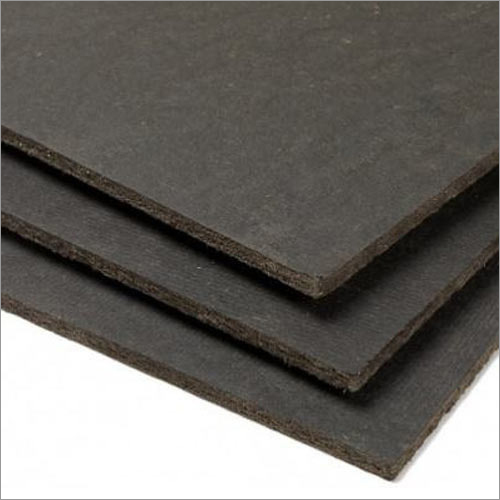
Tell us about your requirement

Price:
Quantity
Select Unit
- 50
- 100
- 200
- 250
- 500
- 1000+
Additional detail
Mobile number
Email

More Products in Reinforcing Materials And Fibers Category
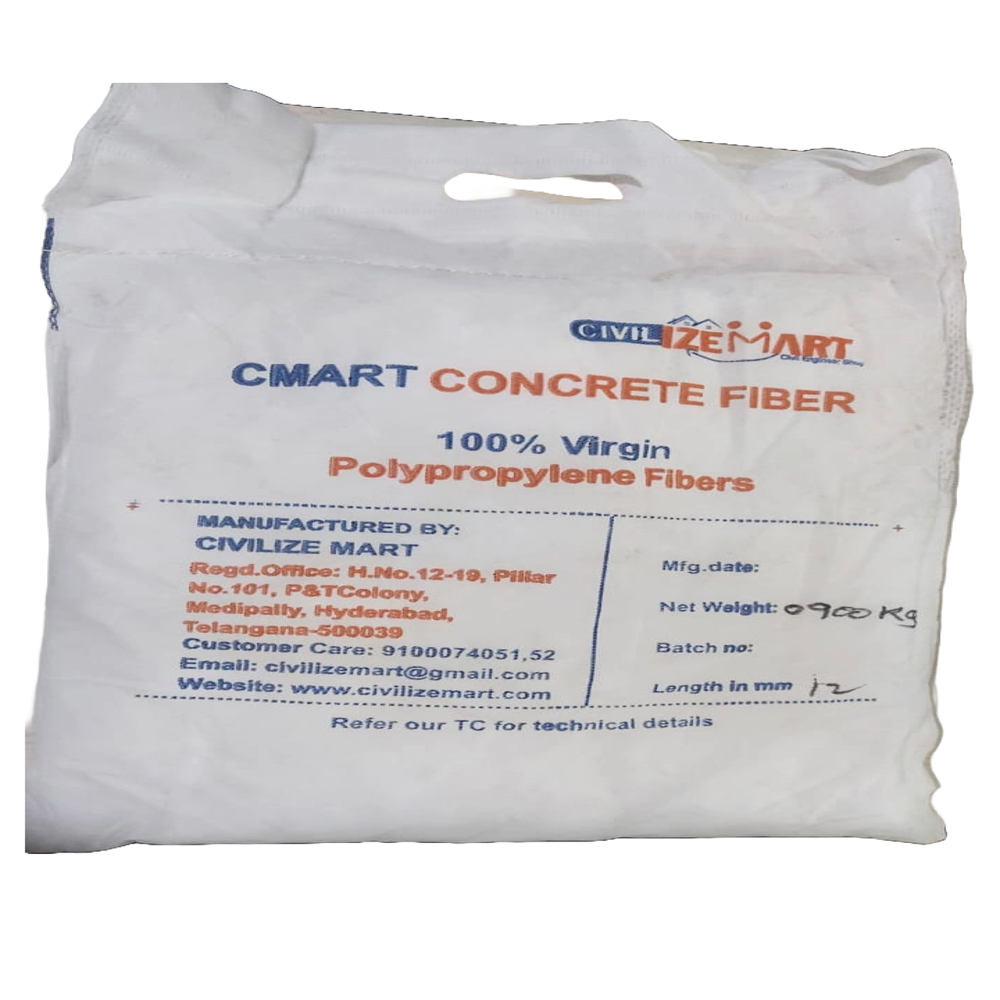
CMART CONCRETE FIBER
Price 210.0 INR / Kilograms
Minimum Order Quantity : 50 Kilograms
Pattern : Raw
Use : Concrete
Feature : EcoFriendly
Material : Other, Polypropylene Fibers
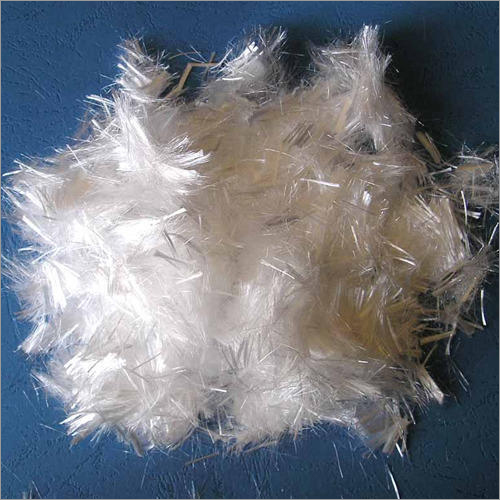
Reliance Recron Polypropylene Fiber
Price 330 INR / Kilograms
Pattern : Other, Staple Fiber
Use : Filling Material
Feature : EcoFriendly
Material : Other, Polyester fiber


 Send Inquiry
Our Products
- dr.fixit
- Waterproofing Chemical
- Tile Joint Grout And Adhesive Products
- Waterproofing Coating
- Building Construction Adhesive
- Polyurethane Coating Material
- Admixture And Repair Mortar
- Grouting Chemical
- Sealants And Adhesive
- Grout Pump
- MYK Arment Waterproof Polymer
- Concrete Treatment And Rehabilitation
- Grout And Anchors
- Tile And Stone Cleaners
- Cement Grouting Pump
- Reinforcing Materials And Fibers
- Membrane Coatings And Chemicals
- Fill A Gap Crack Paste
- Polyurethane PU Waterproofing Coatings
- Grouting Pump Machine
- Tools And Equipment
- Ready Mix Plastering Mortar
- industrial products
- 15 MYK Arment
- 1 DR FIXIT
- Myk laticrete
- 4 CICO,Fosroc
- 11 SPECIAL PRODUCTS IN WATERPROOFING
- 7 BOSTIK
- Pidilite Roff
- 12 Asian Paints
- 8 ALCHIMICA
- Waterproofing Service
- Tile adhesive
- WEBER
- Silicone Sealant
- ESSR BOND
- Ardex Endura


Plot No. 19, Near Pillar No 101, P and T Colony, Mediapplly, Warangal Highway,Hyderabad - 500039, Telangana, India

Mr. Datta Sai
(Partner)
Mobile :08071932083
 Send Inquiry
 Send SMS
 Call Me Free
Developed and Managed by Infocom Network Private Limited.


