Back to top

Price 2450.0 आईएनआर/ टुकड़ा

MOQ : 1 टुकड़ा
 

Trade Information

  • Minimum Order Quantity
  • 1 टुकड़ा
  • डिलीवरी का समय
  • दिन
 

About

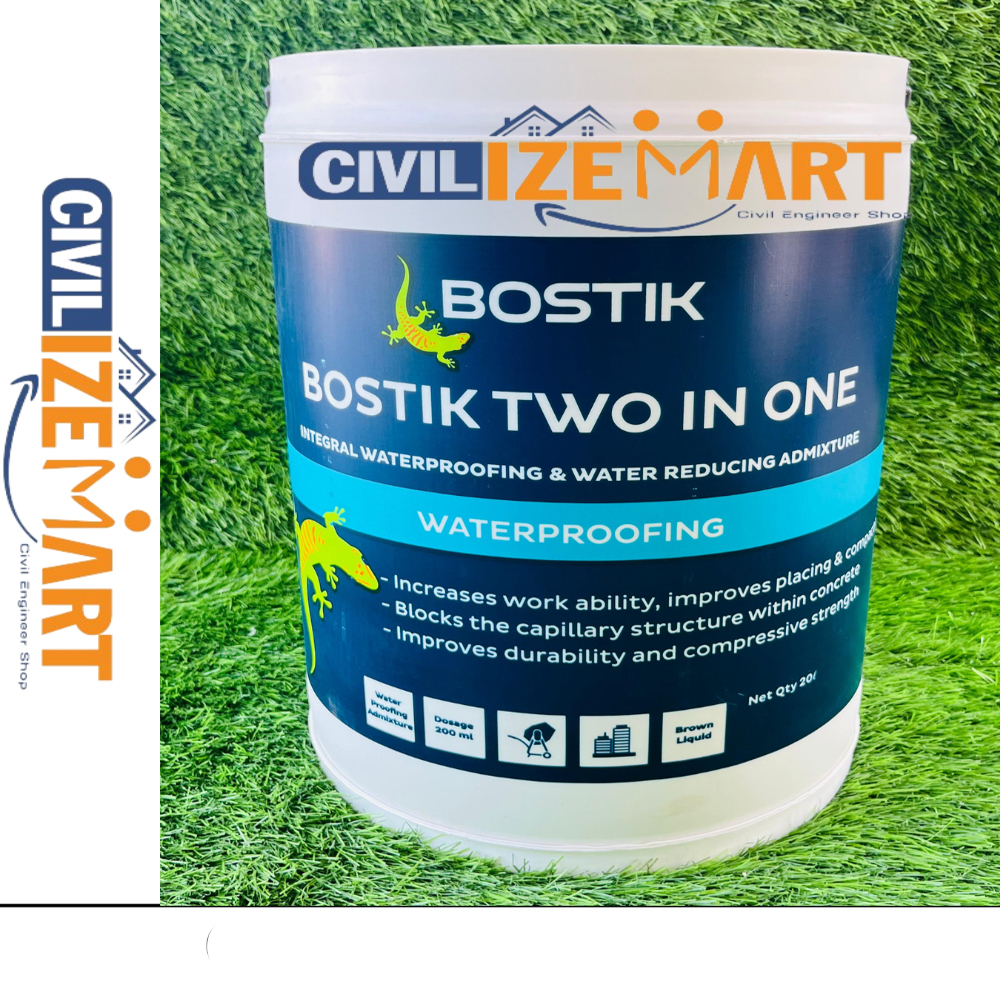
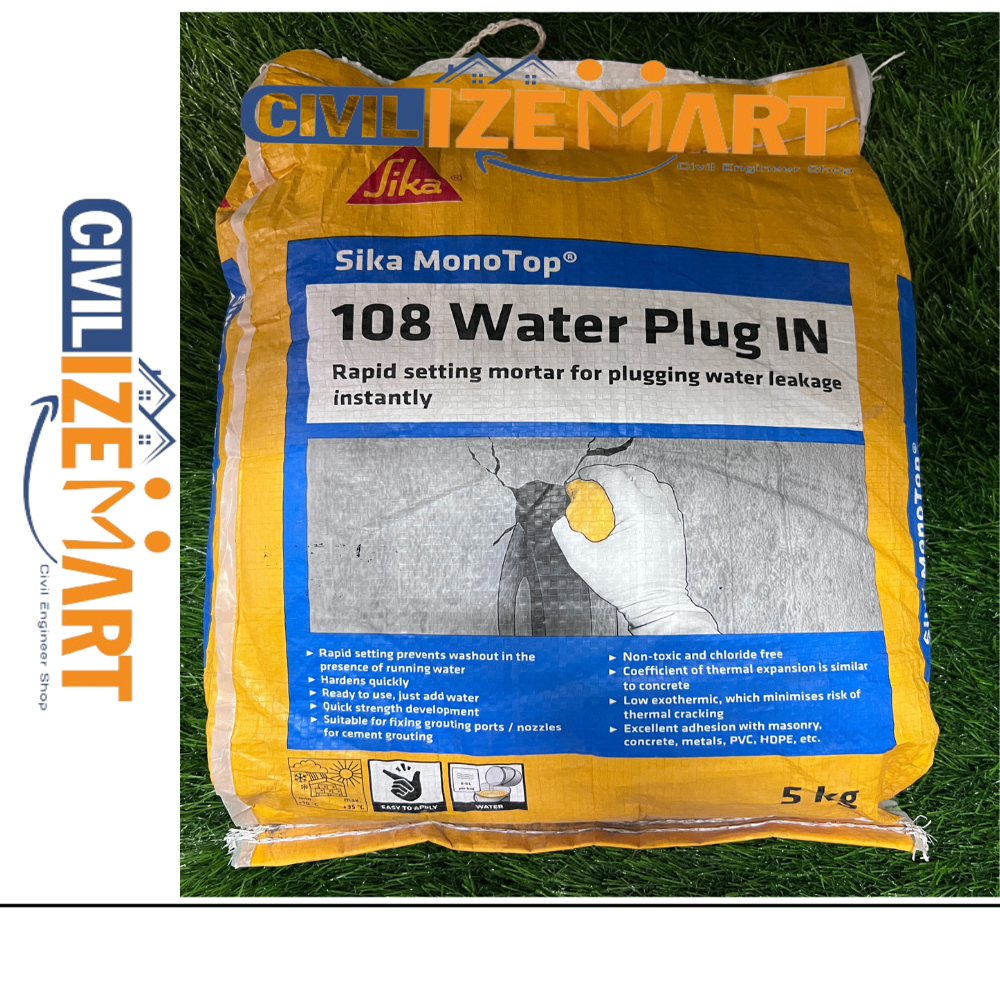
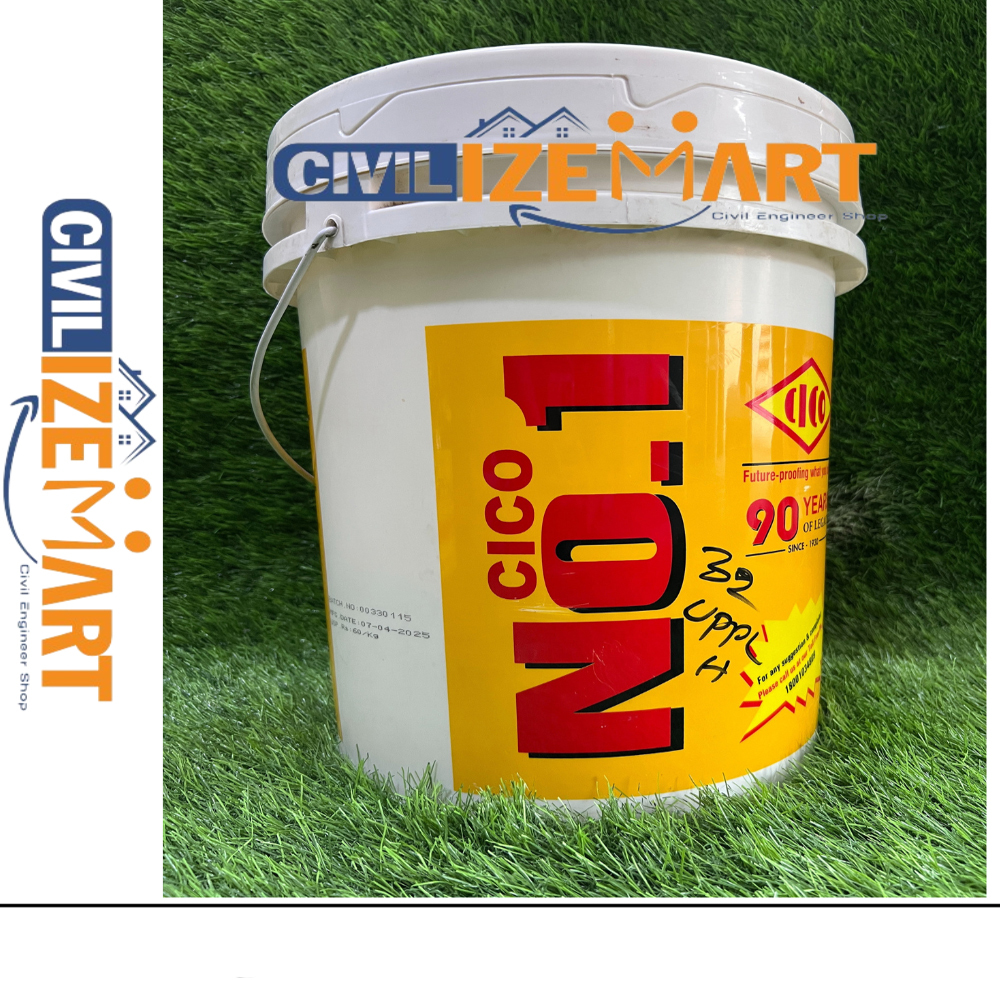
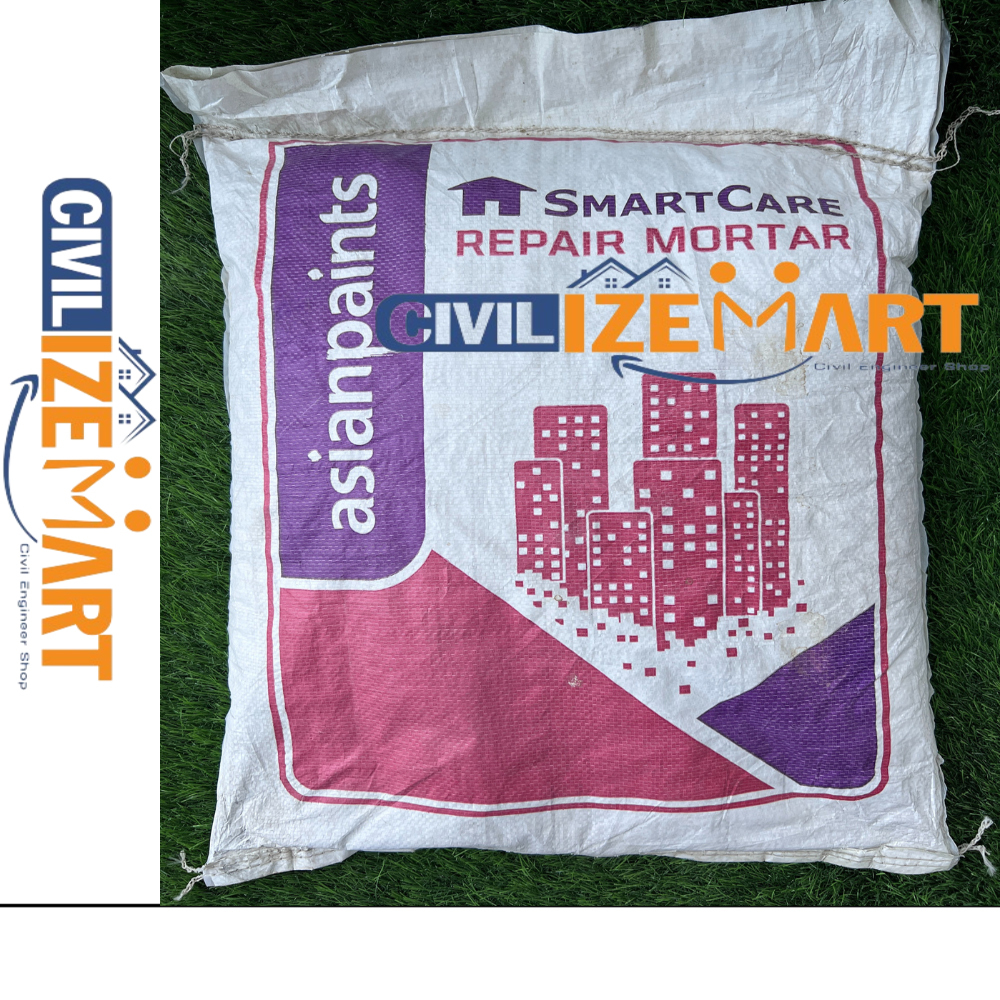
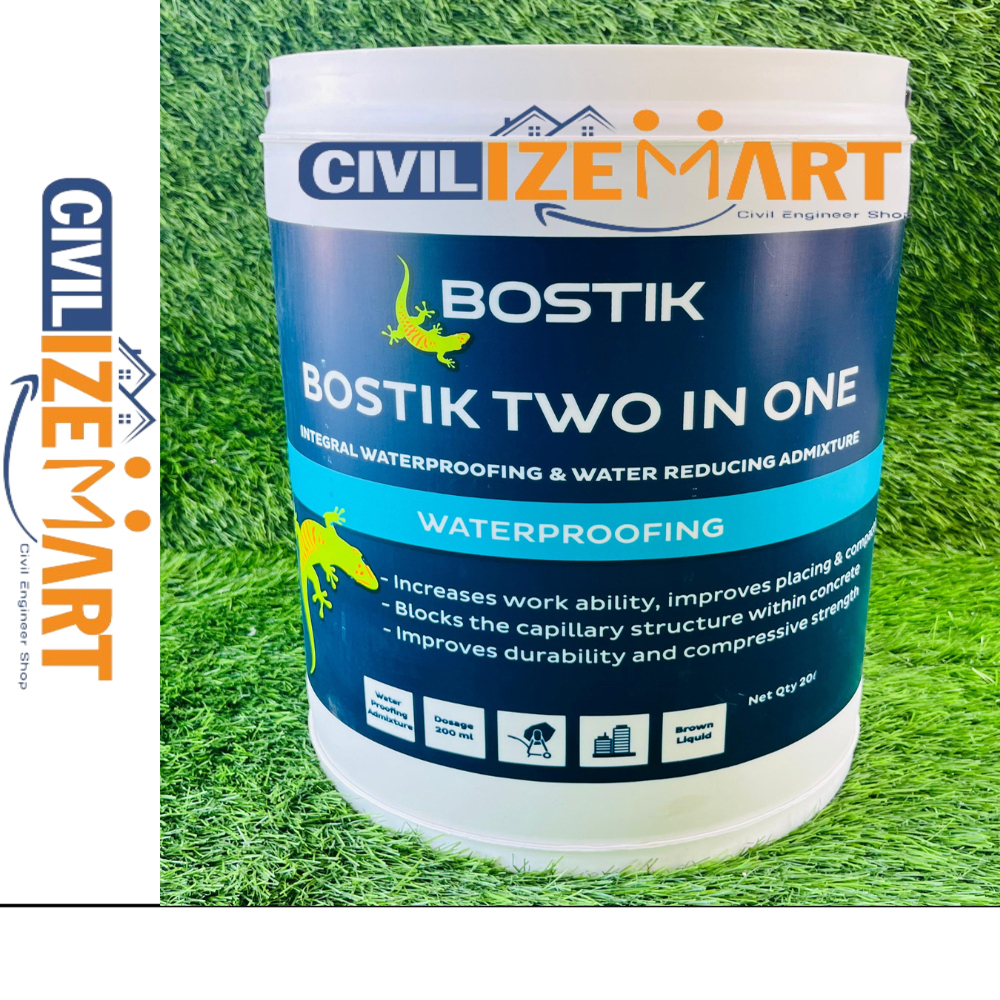
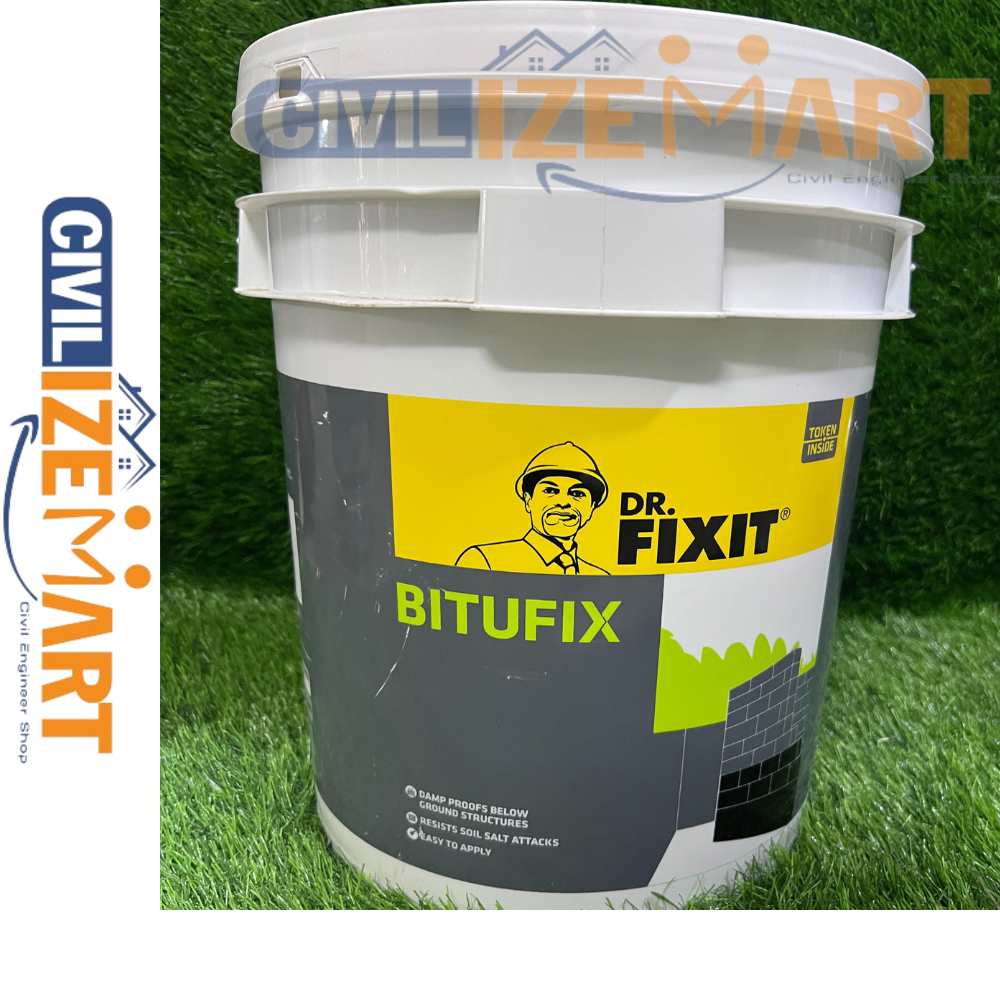
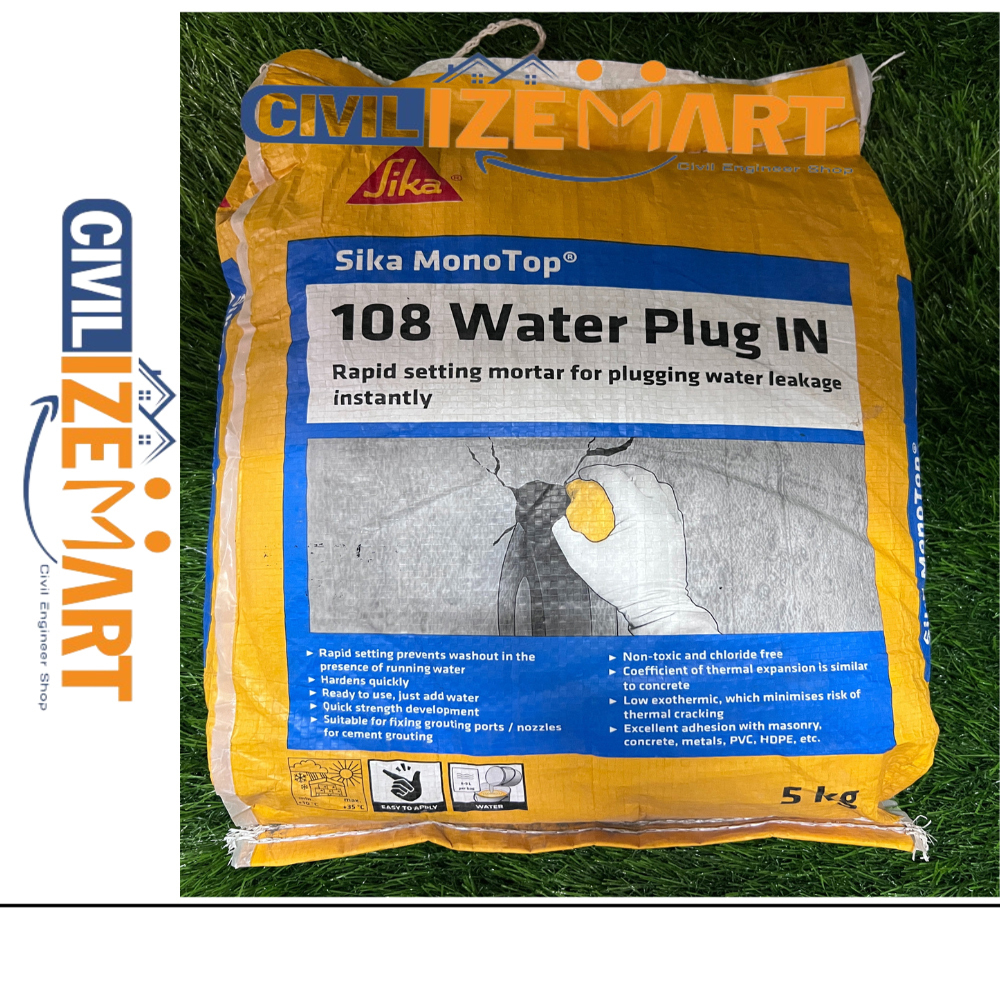
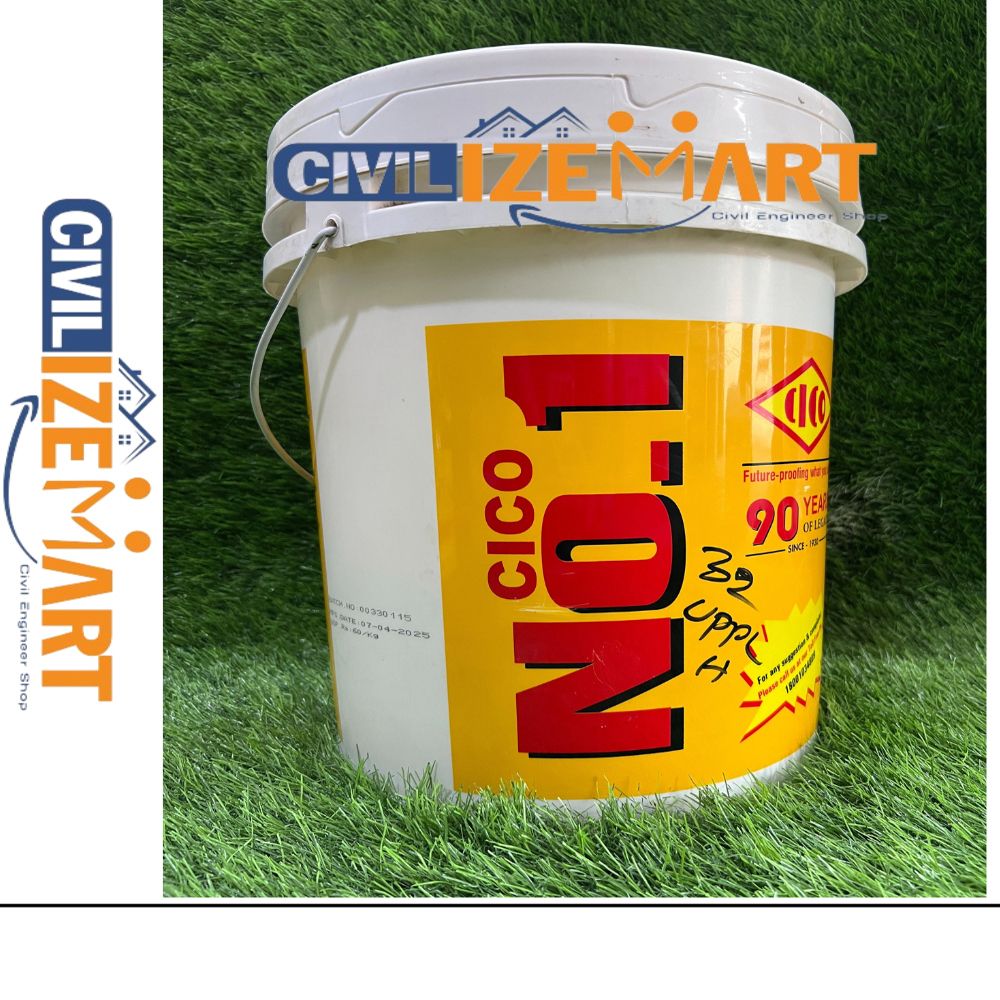
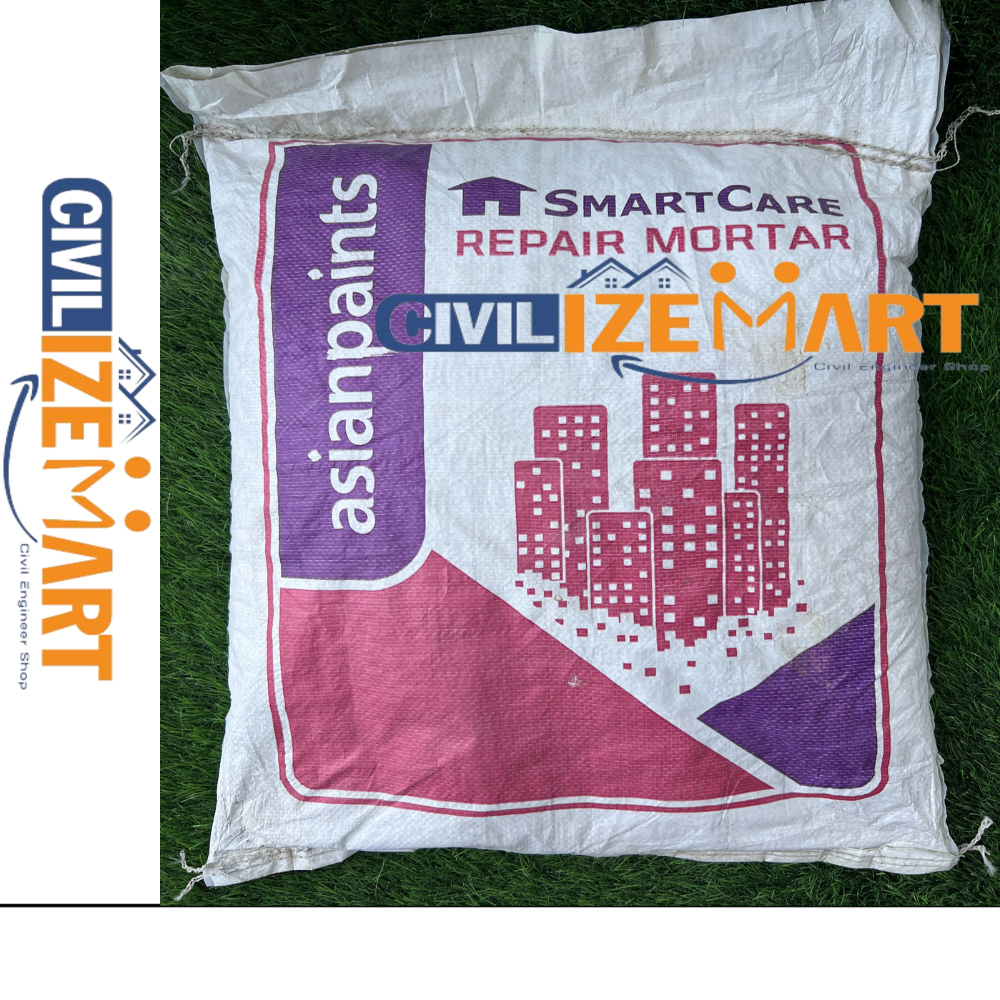
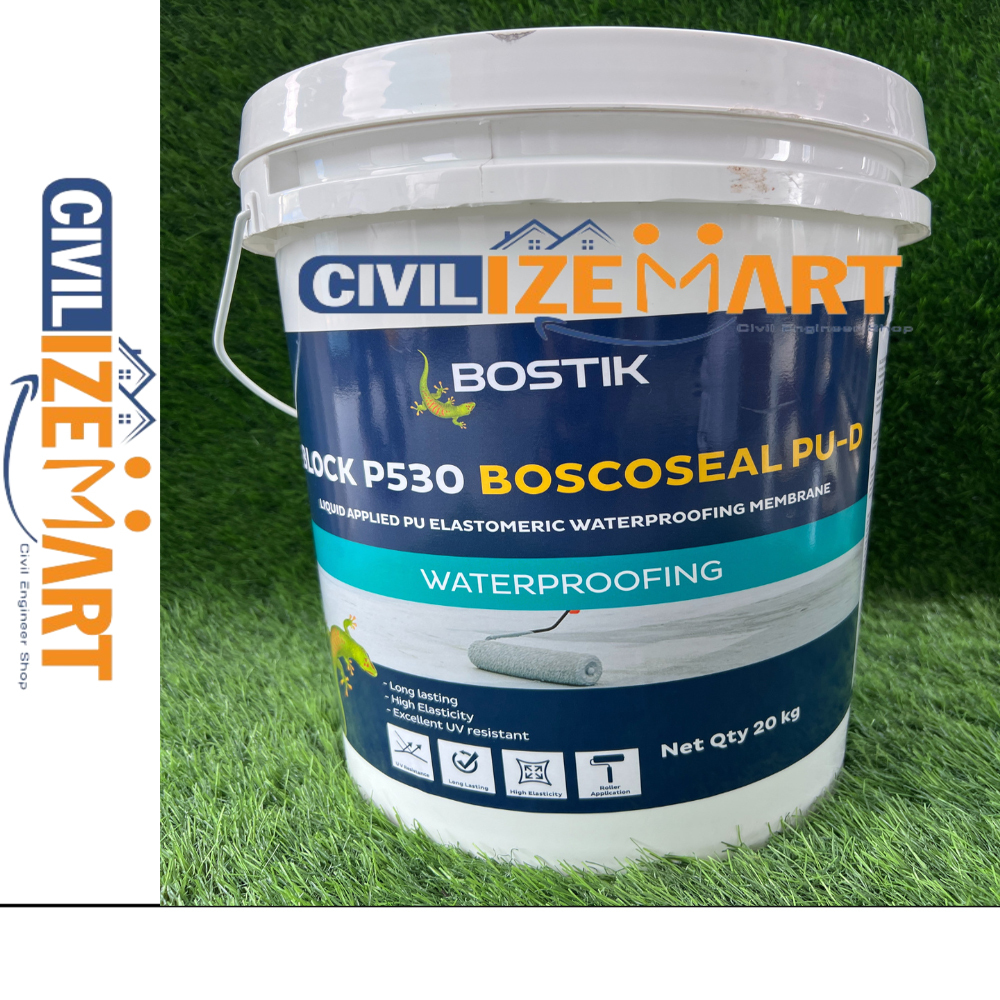
 91 000 74051 Waterproofing chemicals are specialized compounds used to prevent water penetration, moisture damage, and seepage in structures. They form protective barriers on surfaces like roofs, terraces, bathrooms, basements, water tanks, foundations, and walls.

 Common Types of Waterproofing Chemicals 1. Cementitious Waterproofing
  • Cement-based mix with special additives.

  • Applied as a slurry or coating on concrete and masonry.

  • Best for: Basements, bathrooms, water tanks, utility areas.

  • Pros: Easy to apply, cost-effective, bonds well with concrete.

  • Cons: Not very flexible can crack if the surface moves.

2. Liquid Waterproofing Membranes
  • Applied like paint cures to form a seamless, flexible film.

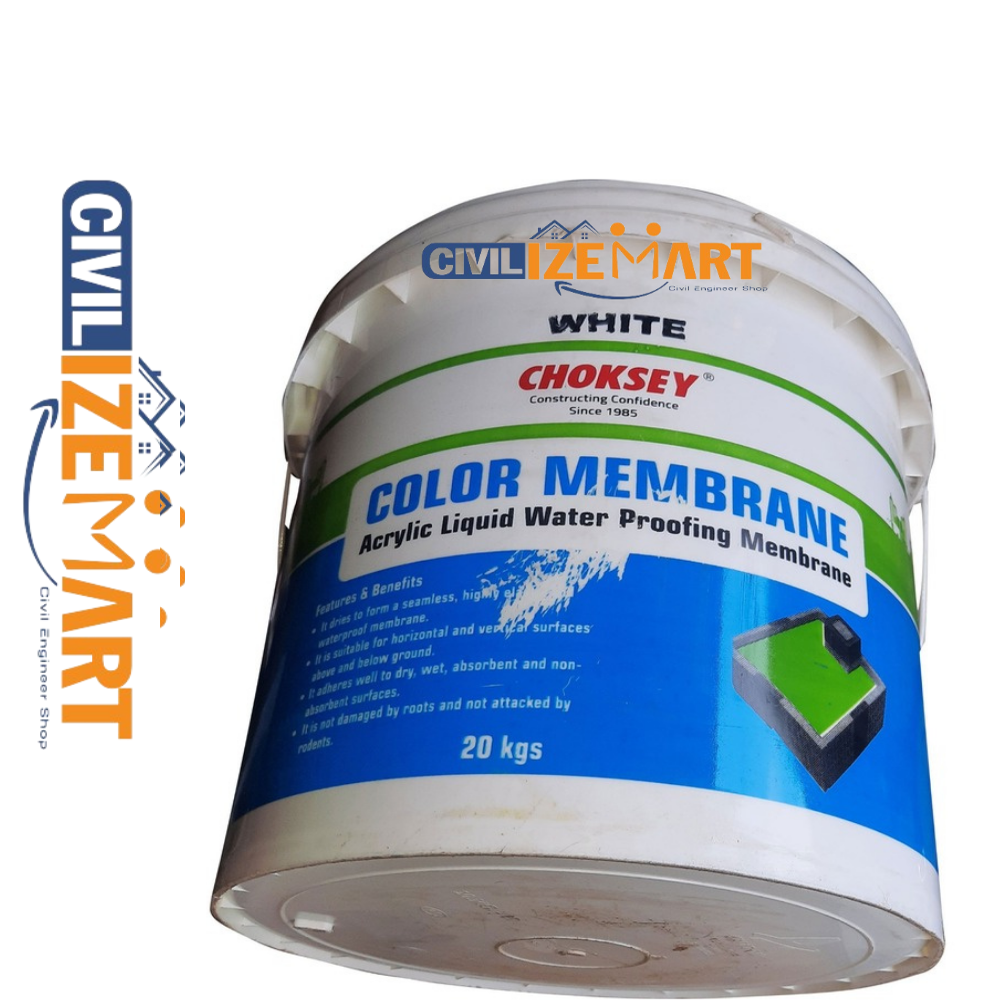
  • Includes polyurethane or acrylic based liquids.

  • Best for: Terraces, roofs, balconies, wet areas.

  • Pros: Seamless protection, flexible with surface movement.

  • Cons: Needs proper surface prep & curing conditions.

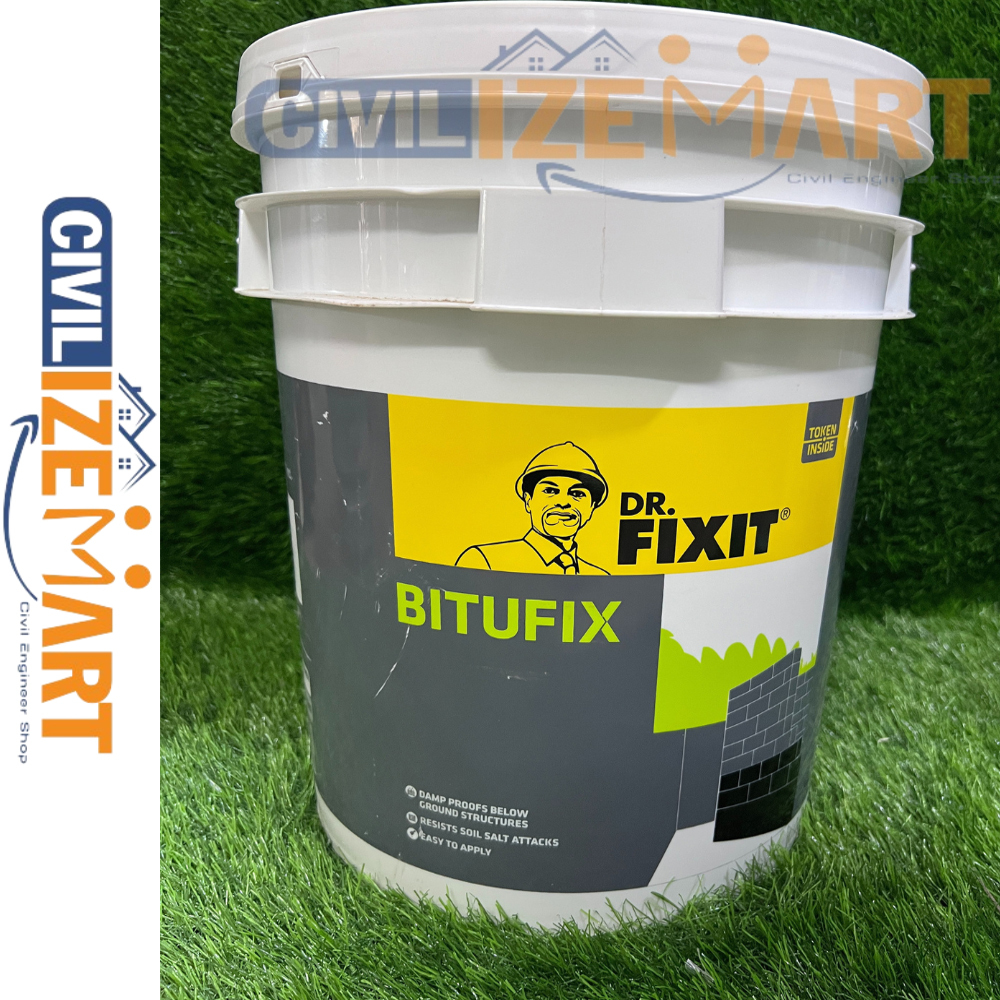
3. Bituminous (Asphalt) Coatings & Membranes
  • Thick, sticky coatings made from bitumen.

  • Best for: Foundations, basement walls, roofs.

  • Pros: Strong water blocking and adhesion.

  • Cons: May need protection from UV light on exposed areas.

4. Polyurethane Waterproofing
  • A high-performance liquid that cures into an elastic membrane.

  • Best for: Roofs, terraces, exposed areas.

  • Pros: Very flexible, durable, UV-resistant and long-lasting.

  • Cons: Often more expensive than basic coatings.

5. Acrylic Waterproofing
  • Water-based elastomeric coating.

  • Best for: Roofs, terraces, exterior walls.

  • Pros: UV resistant, easy to apply, crack-bridging abilities.

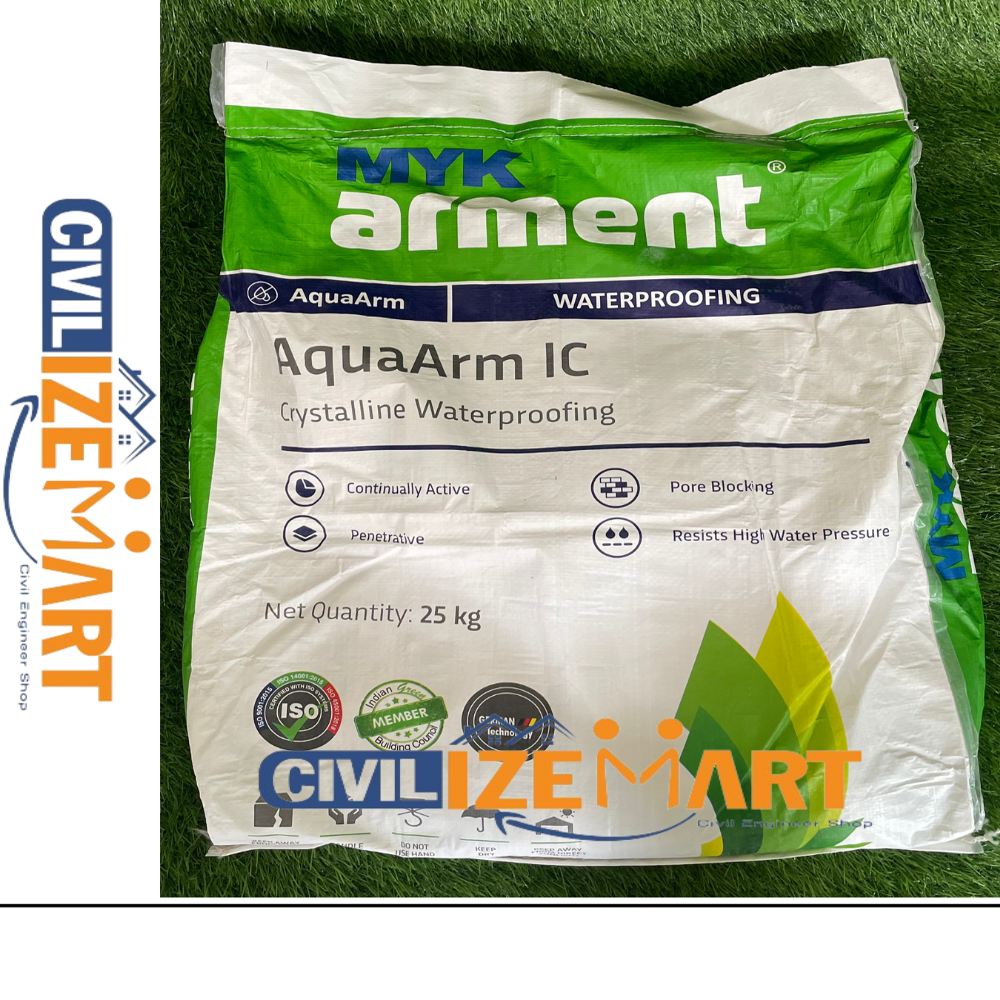
6. Crystalline Waterproofing
  • Chemicals penetrate concrete and form crystals inside pores.

  • Best for: Water tanks, basements, concrete slabs.

  • Pros: Long-lasting internal protection.

  • Cons: Works best during construction or early stages.

7. Silicone & Other Sealants
  • Used to seal small gaps, joints, or cracks (e.g., around windows, tile joints).

  • Pros: Easy to apply for specific problem areas.

  • Cons: Not a full surface waterproofing solution by itself.

 Where Are These Used?

 Roof / Terrace waterproofing  liquid membranes, acrylics, polyurethanes.
 Bathrooms & wet areas  cementitious waterproofing, liquid membranes.
 Basements & foundations  bituminous coatings, crystalline systems.
 Water tanks / swimming pools  cementitious or crystalline waterproofing.
 Joints & gaps  silicone or polyurethane sealants.

 Choosing the Right Chemical

To pick the best waterproofing chemical:

  • Surface type: concrete, masonry, tiles, etc.

  • Exposure: interior vs exterior and weather conditions.

  • Movement tolerance: flexible membranes for areas that shift.

  • Longevity & application: some need skilled application.

Tell us about your requirement
product

Price:  

Quantity
Select Unit

  • 50
  • 100
  • 200
  • 250
  • 500
  • 1000+
Additional detail
मोबाइल number

Email

अधिक Products in वॉटरप्रूफिंग रसायन Category
Water proofing chemicals

वाटर प्रूफिंग केमिकल्स

न्यूनतम आदेश मात्रा : 1

माप की इकाई : बैग/बैग

मूल्य या मूल्य सीमा : आईएनआर

मूल्य की इकाई : बैग/बैग

SIKA CEMENTITIOUS WATERPROOFING COATING

न्यूनतम आदेश मात्रा : 1

माप की इकाई : टुकड़ा/टुकड़ाs

मूल्य या मूल्य सीमा : आईएनआर

मूल्य की इकाई : PIECE

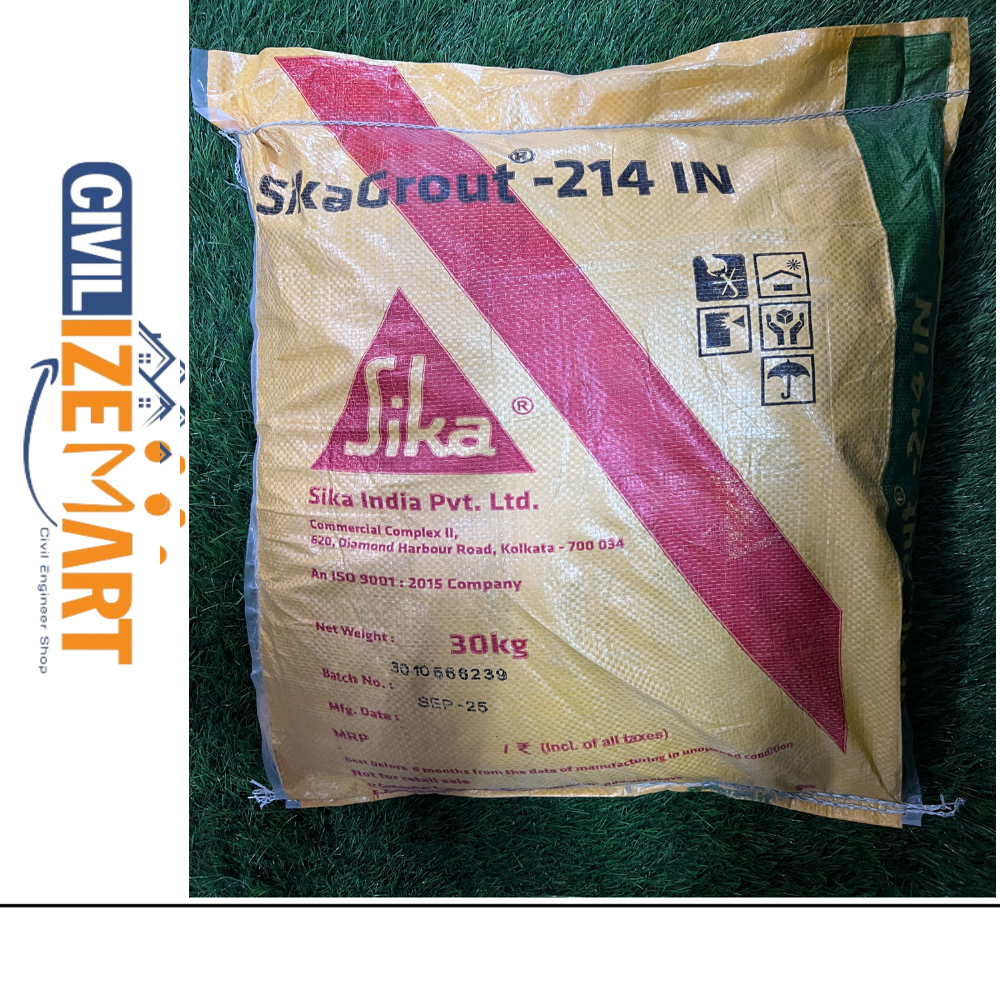
SIKA NON SHRINK GROUTING COMPOUNDS

न्यूनतम आदेश मात्रा : 1

माप की इकाई : Bag/Bags

मूल्य या मूल्य सीमा : आईएनआर

मूल्य की इकाई : Kilograms/Kilograms

SUNANDA RUSTICIDE WATERPROOFING CHEMICAL

न्यूनतम आदेश मात्रा : 1

माप की इकाई : Kilograms/Kilograms

मूल्य या मूल्य सीमा : आईएनआर

मूल्य की इकाई : Kilograms/Kilograms